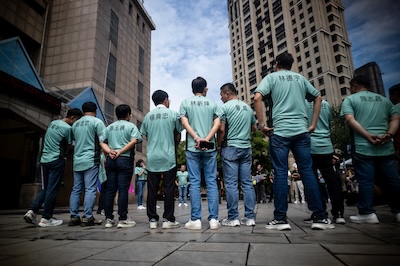
In Taiwan, elections are more than political contests. They are public spectacles filled with campaign trucks, colorful flags, street rallies, music, food stalls, and enthusiastic crowds. To foreign visitors, a Taiwanese election season can resemble a carnival, where democracy is celebrated in public spaces and political participation becomes part of everyday life.
This distinctive culture reflects Taiwan’s transformation from authoritarian rule to a vibrant democracy. Under martial law, which lasted from 1949 to 1987, political freedoms were heavily restricted, although limited local elections continued. As opposition movements gained strength in the 1970s and 1980s, campaign gatherings became important opportunities for public expression. Taiwan held its first direct presidential election in 1996, marking a historic milestone in its democratic development.
One of the most recognizable features of Taiwanese elections is the campaign vehicle. Trucks equipped with loudspeakers travel through neighborhoods, broadcasting slogans and candidate introductions. Candidates frequently stand through vehicle sunroofs or ride on open platforms, waving to residents and thanking supporters. These mobile campaigns reach traditional markets, residential streets, and rural communities, making political competition highly visible.
Large campaign rallies, known locally as zaoshi wanhuì (造勢晚會), are another defining tradition. Supporters gather in public squares, stadiums, and open spaces to hear speeches from candidates and prominent political figures. Concert-style lighting, enormous screens, music, coordinated chants, and waving flags create an atmosphere closer to a major entertainment event than a conventional political meeting.
Crowd participation is central to these gatherings. Supporters wear campaign clothing, carry banners, wave illuminated sticks, and respond to speeches with synchronized slogans. Political parties often organize transportation for supporters from different districts. Rally attendance becomes a demonstration of organizational strength, although crowd size alone is not a reliable indicator of electoral support.
Taiwanese campaigns also feature distinctive cultural practices. Candidates visit temples, attend religious festivals, greet vendors at traditional markets, and participate in neighborhood activities. These appearances reflect the importance of local relationships and community networks. Handshakes, personal greetings, and informal conversations remain valuable even in an era dominated by digital communication.
Campaign merchandise adds another layer to the carnival atmosphere. Supporters collect flags, badges, stickers, hats, towels, and creatively designed souvenirs. Some items become symbols of political identity, while humorous slogans and internet memes turn campaign materials into popular cultural products.
Since the 2000s, Taiwan’s election culture has increasingly moved online. Social media, livestreams, short videos, and online communities allow candidates to reach younger voters. The 2014 Sunflower Movement demonstrated the political influence of digitally connected civic participation, while subsequent election campaigns integrated online mobilization with traditional street events. By the 2020s, supporters could participate simultaneously through physical rallies and digital platforms.
Yet Taiwan’s election carnival has a serious side. Political rallies provide opportunities for citizens to express demands, question government policies, and demonstrate collective political power. They also reveal intense disagreements over national identity, economic development, social justice, and relations with China.
The festive atmosphere can sometimes obscure substantive policy debates. Loudspeakers may disturb residents, campaign spending raises questions about political equality, and emotional mobilization can deepen partisan divisions. For these reasons, Taiwan’s democratic vitality should be judged not simply by the size or excitement of its rallies, but also by electoral fairness, informed debate, and respect for opposing views.
Perhaps the most remarkable contrast comes on election day. After weeks of noisy campaigning, Taiwan enters a legally required campaign-free period, and polling stations operate under orderly procedures. Citizens quietly line up, present identification, and cast paper ballots. Votes are then counted publicly at polling stations, allowing observers to witness the process.
Taiwan’s election carnival illustrates how democratic institutions can develop a distinctive local personality. Its energetic rallies combine grassroots networks, traditional culture, modern media, and passionate political participation. Behind the music and spectacle lies a society that fought for the right to choose its leaders—and continues to exercise that right with extraordinary visibility.
Author: Cathy Lin